How Bristol Homes Are Adapting to Electric Vehicles and Changing Energy Use
Posted on: 13 Apr 2026Across Bristol, small changes in how people use energy are becoming easier to spot. Long known for its focus on greener living and low-emission travel, the city has seen a steady rise in electric vehicles, supported by local initiatives aimed at improving air quality and reducing emissions. What once felt like a niche choice is gradually becoming part of everyday life, shaped by shifting habits and the practical appeal of running a vehicle at home.
While much of the attention tends to sit with the cars themselves, the way households support them is also evolving. Charging at home, managing electricity use, and looking more closely at how energy is used throughout the day are all starting to influence how properties function.
Home charging becomes part of the routine
For many drivers, switching to an electric vehicle changes more than just how they travel. It begins to affect how energy is used within the home.
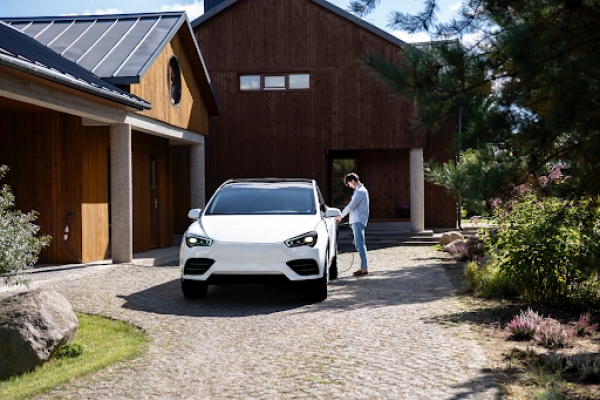
Public charging points still serve a purpose, particularly for longer journeys, but they do not always fit neatly into daily routines. Availability can vary, and pricing is not always consistent. Charging at home, by comparison, tends to blend into everyday life. Vehicles can be plugged in overnight or during quieter periods, removing the need to plan around external infrastructure.
As a result, more households are looking into EV charger installation as a way to make ownership simpler and more convenient. Over time, this becomes less about the technology itself and more about fitting charging into a routine that already works.
Rising awareness around household electricity use

As electric vehicles become more common, there is a noticeable shift in how people think about their electricity use. Charging a vehicle adds to overall demand, which often brings greater awareness of when energy is being used and how much it costs.
This does not usually lead to major changes overnight. Instead, it starts with small adjustments. Charging at certain times of day, paying more attention to tariffs, or simply becoming more aware of daily usage patterns. Gradually, these habits build into a broader understanding of how energy fits into everyday life.
The growing role of home battery systems
Alongside EV chargers, home battery installation is becoming part of the wider conversation. While less visible than a car parked outside, these systems are designed to store electricity for later use, giving households more flexibility in how and when energy is accessed.
In some homes, batteries store excess energy generated during the day. In others, they are charged when electricity is cheaper and used later on. This allows for a more considered approach to energy use, rather than relying entirely on live supply from the grid.
When paired with an EV charger, this setup can help reduce reliance on peak-time electricity, particularly as more households begin to charge vehicles at home.
Adapting homes without major disruption
One of the more noticeable aspects of this shift is how gradual it tends to be. Most households are not making sweeping changes all at once. Instead, upgrades happen step by step.
A household might begin with an electric vehicle, then install a charger to support it. Later, attention may turn to how energy is used more broadly, leading to interest in storage systems or other adjustments.
For those considering EV charger installation, it often becomes part of a wider set of decisions rather than a standalone addition. Looking at how different elements work together can make a difference over time.
Reflecting Bristol’s approach to change
Bristol has long been associated with greener living, from its transport initiatives to wider environmental efforts across the city. The way these changes are appearing in homes reflects that same mindset, steady, practical, and shaped by everyday needs.
Rather than happening all at once, these shifts are becoming part of normal life. Electric vehicles and home charging are blending into how homes operate, rather than standing out as something unusual.
Looking ahead at everyday energy use
As more homes begin to incorporate these systems, expectations around energy use are likely to continue shifting. Charging a car at home may become standard, while storing electricity for later use could become more common over time.
Rather than a single turning point, this change is unfolding gradually across the city. It is shaped by everyday decisions, small upgrades, and a growing awareness of how energy is used.
In many ways, it mirrors a more general trend observed throughout Bristol: subtle adjustments that gradually transform the city's operations without ever seeming forced.
Article by:

Born and raised in rural Somerset but now making the most of all Bristol has to offer. Alex has a keen interest in Bristol’s music scene, spending a lot of time attending or working gigs, festivals and electronic dance music events. Other passions include Sport, DJing and running club nights.